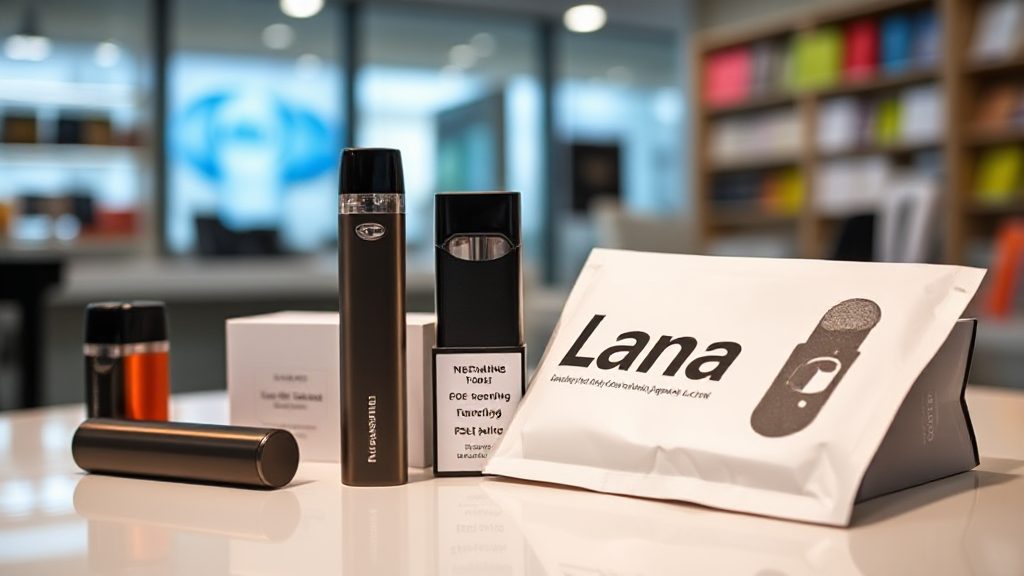
SG Vape Lana Ordering Patterns You Can Actually Observe
What follows is pattern observation, not a survey. There is no sample size, no margin of error and no dashboard behind these notes. The value lies in the shape of the patterns rather than in precise figures, because the shape tells you how adult buyers in Singapore tend to behave when they order from an online shop such as sg vape lana. Treat every observation as a hypothesis you can test against your own experience, not as a statistic.
The search intent behind this topic is usually a mix of buy and compare: readers want to know what other people order, which formats move fastest and how delivery and payment tend to work. The short answer is that format preference clusters around pods and disposables, repeat orders follow a narrow set of favourites, and timing and payment choices are shaped by convenience more than by price.
Format preferences visible in ordering behaviour
When you watch an online vape shop long enough, the first thing that stands out is how uneven demand is across formats. A small number of product families absorb most of the attention, while the long tail of variants moves slowly. This is not unique to vaping, but the gap between the popular and the niche appears wider here than in many other retail categories.
Pods and disposables dominate the visible mix
Pod systems and premium disposables are the two formats that appear most often in the ordering patterns of adult consumers. Pods appeal to buyers who want a reusable device with replaceable cartridges, while disposables appeal to buyers who prefer a sealed unit with no maintenance. The practical consequence is that a Sg vape disposable order is often a first purchase or a top-up, whereas a pod order tends to be part of a longer routine.
Brand familiarity matters more than novelty in this mix. Buyers who already know a device family tend to stay inside it, and they notice quickly when a familiar variant is missing from a listing. That is one reason a shop that keeps a steady core range tends to see more repeat traffic than one that churns its catalogue every few weeks.
Device families and the pull of the familiar
Within pods and disposables, ordering patterns cluster around a handful of device families rather than spreading evenly. The names that come up repeatedly are the ones buyers already recognise, which is why a recognisable product line acts as a kind of shorthand. If you are comparing shops, it helps to check whether the range includes the specific family you already use before you look at anything else.
Flavour choice is the second filter. Buyers often pick a device first and a flavour second, and the flavour range attached to a device family can decide whether a repeat order happens at all. This is a pattern rather than a rule, but it appears often enough to be worth watching.
Premium versus entry-level signals
Premium disposables and entry-level options sit at different points in the ordering mix. Entry-level products show up more often in first orders, while premium products show up more often in later orders once a buyer has settled on a format. The pattern suggests that buyers move up the range gradually rather than starting at the top.
None of this is a ranking of quality. It is simply an observation about sequence: first order, then repeat, then a shift toward a preferred tier. A shop that presents both tiers clearly makes that sequence easier to follow.
Repeat-order behaviour and what it reveals
Repeat orders are where the patterns become more interesting, because they strip away the noise of browsing. A buyer who comes back has already made the main decisions about format and device family, so the second order is mostly about availability, delivery speed and payment convenience.
The narrow favourite set
Most repeat buyers appear to rotate through a small set of favourites rather than exploring the whole catalogue. This is consistent with how people shop for consumable products in general: once a routine works, it tends to persist until something breaks it. For a vape supplier singapore operation, the practical lesson is that stock consistency on core lines matters more than breadth on the edges.
When a favourite is unavailable, the pattern usually shifts to a near substitute rather than a completely different format. That is a useful signal for anyone trying to understand why some orders look like variations on a theme.
Restock timing versus impulse buys
Two kinds of repeat order show up in the pattern. Restock orders are planned and tend to be slightly larger, while impulse orders are smaller and more frequent. The distinction matters because the two types respond to different things: restock orders respond to availability, and impulse orders respond to how quickly a shop can deliver.
A shop that supports both patterns tends to see a steadier order flow than one that only serves planned buying. This is an observation about behaviour, not a claim about any specific shop’s performance.
Basket composition clues
Basket composition is another observable signal. Repeat orders often combine a device or pod pack with a consumable item, while first orders are more likely to be a single item. The mix suggests that buyers consolidate once they know what they want, which is a common pattern in online retail generally.
If you are trying to read a shop’s catalogue, look at how it groups related items. Grouping that matches natural basket combinations tends to make repeat ordering easier.
Payment and timing patterns around delivery
Payment and timing are where convenience becomes visible. Buyers in Singapore appear to weigh speed and payment flexibility heavily, and those two factors often decide which shop gets the order when several options look similar on paper.
Cash on delivery and its appeal
Cash on delivery shows up as a meaningful preference among buyers who want to inspect a parcel before paying, or who simply prefer not to enter card details online. The appeal is practical rather than promotional, and it tends to matter most for first orders. A shop that offers COD alongside standard payment methods removes a common hesitation point.
This is a pattern about preference, not a claim about volume. The safe conclusion is that payment flexibility broadens the pool of buyers who are willing to complete an order.
Same-day expectations
Same-day delivery has become a strong expectation in the Singapore market, and ordering patterns reflect it. Buyers who choose SG Vape same day delivery often place orders earlier in the day and expect confirmation quickly. When same-day is available, it tends to pull orders away from slower options even when the slower option is cheaper.
The pattern is consistent with how delivery expectations have shifted across e-commerce generally. Speed is no longer a premium feature; it is increasingly part of the baseline.
Order timing across the week
Order timing across the week is uneven. Patterns suggest that demand clusters around certain days and times, with quieter periods in between. This is the kind of observation that is easy to over-read, because a single busy day can look like a trend. The safer reading is that timing varies and that shops which communicate cut-off times clearly tend to see fewer failed deliveries.
For buyers, the practical takeaway is simple: order earlier if you need a parcel the same day, and check the shop’s stated cut-off rather than assuming one.
How delivery options shape shop choice
Delivery options shape shop choice more than many buyers realise. A Singapore vape delivery option that is clearly explained, with realistic timing, tends to reduce abandoned baskets. Vague delivery promises do the opposite, because uncertainty makes buyers hesitate.
This is why the clearer sg vape delivery information is, the easier it is to compare shops on something other than price. A lana vape delivery promise only helps if the timing behind it is honest.
The closing caution is the same one that opened this piece. These are observable patterns, not measured results. They are useful for framing questions, not for drawing firm conclusions, and they should be checked against your own experience before you rely on them.